 By
By 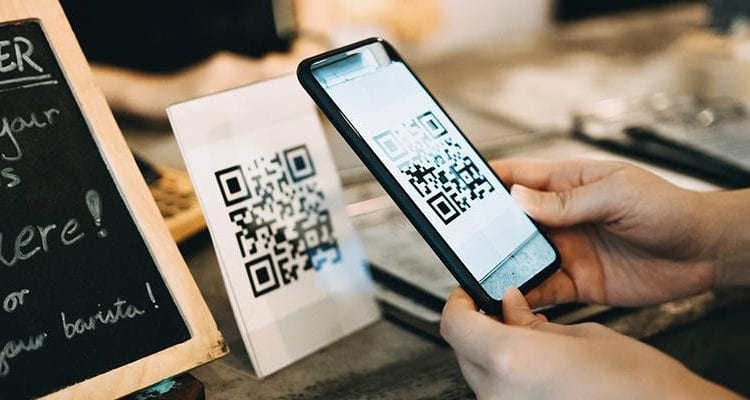
Cybercriminals always come up with new ways to target the users. The threat actors are taking advantage of the users utilizing QR codes for various purposes.
Due to the pandemic, there has been a growth in the usage of QR codes as contactless became the new norm. According to recent data, around 86% of smartphone users had scanned a QR code at least once, with 36% of users scanning code once every week.
The smartphone users found using QR codes more convenient as they are used everywhere now. QR codes are also introduced for publicly displayed information, such as timetables and menus at bars and restaurants, that makes it easier for the customers to visit a website.
Now cybercriminals are also including QR codes into phishing attacks, a technique known as Quishing. They use QR codes to trick unsuspecting people. Users who are unaware of this unknowingly scan fake QR codes that take them to fake and potentially harmful sites.
There are several examples now, where cyber criminals create malicious QR codes to trick people into handing over information or installing malware. One such instance is in Texas where the law enforcement agents have noticed fake QR codes placed on parking meters that trick motorists into paying scammers rather than official authorities.
Similarly, there were cases in Atlanta where fake parking tickets were stuck on motorists' windshields with a QR code asking the driver to pay the “fine”. The real parking tickets does not include a QR code, but many people are not aware of this and therefore fall for the scam.
Scams involving QR codes are seen in online adverts, billboards, and phishing emails. They are all designed to trick people into clicking on a dangerous link and provide sensitive information or downloading malware.
It is not possible to know the full extent of QR scams, but such scams are on the rise, such that the FBI have issued a warning to consumers to raise awareness of malicious Quick Response (QR) codes.
Phishing involving QR codes include receiving fake QR codes across a range of media, including SMS, social media, and even via the mail. QR codes are also a common means to conduct cryptocurrency scams, with Bitcoin addresses often sent via QR codes.
FBI warns that it is important to be cautious while providing financial information as well as providing payment through a site navigated to through a QR code. They added that law enforcement cannot guarantee the recovery of lost funds after transfer.
Ways to stay safe
We can follow certain tips to stay safe and avoid QR scams.
Never open any links from strangers. If a message is not expected, then there is a great chance that the QR code will be advantageous, even if the message seems tempting.
If the message is from someone you know, then make sure to confirm that it's legitimate before you scan it. It is easy to check with your contact whether they really have sent you a message.
If the message appears to come from a legitimate and reputable source, then you must verify them. For example, if the message comes from a government agency, then contact them to confirm that they really sent it.
Now we can get antivirus software with QR scanning functionality built-in. By using this, one can check the safety of the QR code before scanning, as the software will verify the link before you open it, thus preventing you from downloading malicious software or being a victim to phishing scams.
As phishing scams are increasing day by day, it is always better to pay attention and not scan things without thinking. Although QR codes are convenient, remember that it comes with risks. Just like how we must be cautious while clicking a link in a message, we must learn to do the same with QR codes.