 By
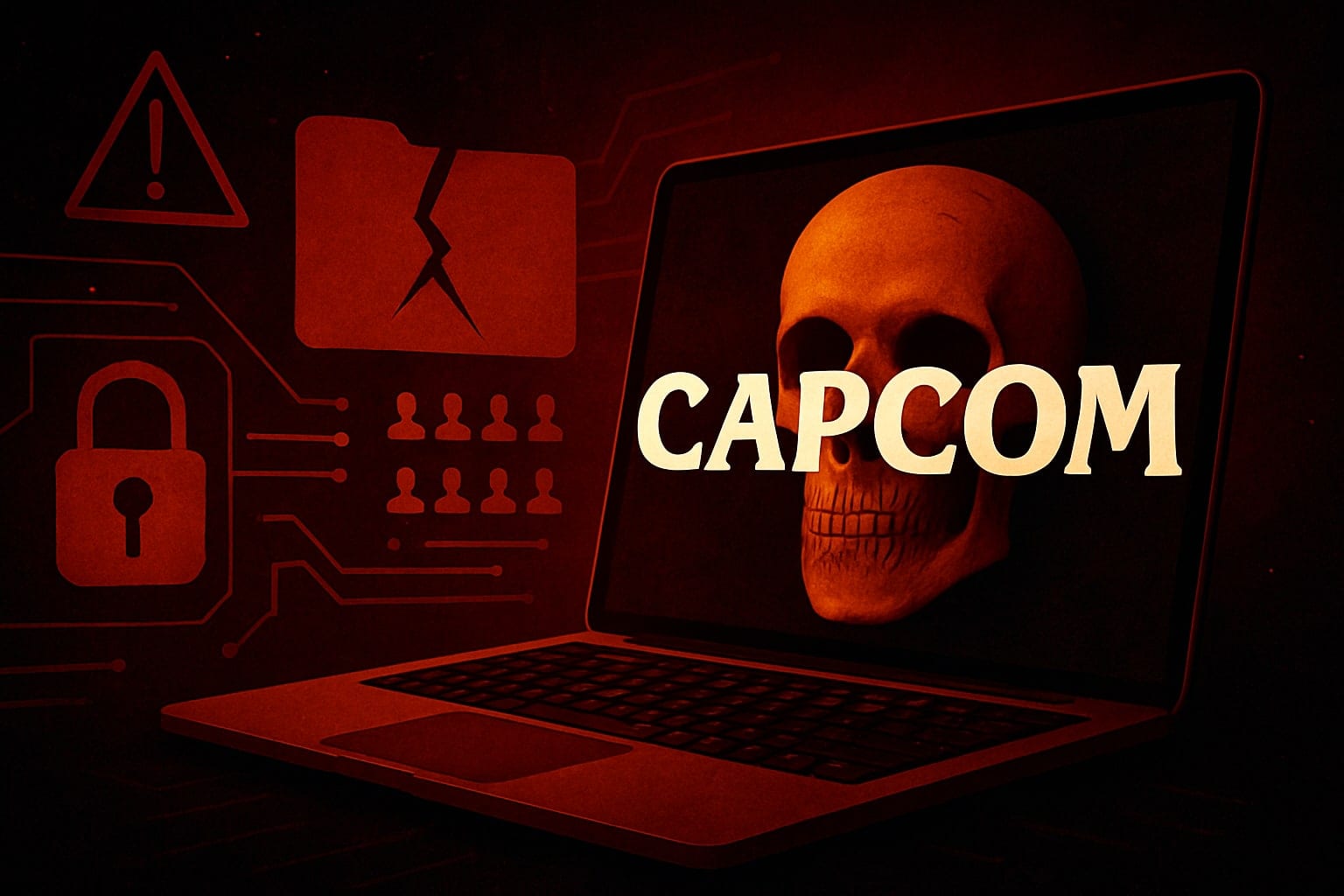
Gaming enthusiasts have been rocked by news of a significant data breach at Capcom, the renowned developer behind blockbuster franchises like Resident Evil and Street Fighter. On October 22, the company revealed that a cyber incident had led to the exposure of personal information linked to its CAPCOM ID accounts, which are used for online gameplay and various online services. This unsettling breach has raised alarm bells about the safety of player information and the potential repercussions for those affected.
The breach was notable for its scale, affecting approximately 11,774,247 records. This staggering number includes email addresses and other system-specific identifiers, such as the date and time accounts were created, last logged in, and the number of logins made. Additionally, a small fraction of the compromised data involved personal details including 43 records detailing date of birth, gender, country or region, and nicknames.
Fortunately, Capcom has stated that there’s no evidence that login passwords for CAPCOM ID accounts were compromised in this incident. However, they did note the unauthorised alteration of passwords for a limited number of 196 customer accounts, where the company has since reset these passwords. Capcom assured users that their credit card information remains secure, providing some solace amid the turmoil.
In light of this breach, Capcom has cautioned users that the exposed personal information could be exploited in fraudulent communications, such as phishing emails impersonating Capcom or related entities. Customers are urged to remain vigilant about receiving suspicious messages and to think twice before clicking on links or opening attachments.
The timeline of events leading to the breach reflects quick actions taken by Capcom to secure its systems. On October 19, the company detected suspicious activity indicating potential unauthorised access to the CAPCOM ID system. In response, Capcom promptly blocked access and initiated an internal investigation to ascertain the extent and origin of the breach. By October 20, they had established an incident response team dedicated to managing the situation and preventing any further impact.
As the investigation proceeded, Capcom determined that unauthorised access had indeed occurred, affecting specific customer data linked to CAPCOM ID accounts. The company wasted no time in reporting the incident to the Osaka Prefectural Police and Japan’s Personal Information Protection Commission by October 21, further demonstrating its commitment to transparency and accountability.
Despite the alarming nature of the breach, Capcom has reassured users that all services associated with CAPCOM ID, including online gaming experiences, remain operational. This promise is critical for maintaining user trust in the wake of incidents that could potentially undermine their confidence in the platform.
As gamers navigate this incident, the Capcom data breach serves as a stark reminder of the vulnerabilities that can exist in online platforms. Cybersecurity continues to be a pressing concern within the gaming industry, where large volumes of personal data are held. It underscores the importance of robust security measures to protect user information against malicious actors.
With breaches like this one, users are encouraged to strengthen their online security practices by using unique, complex passwords for different accounts, enabling two-factor authentication where available, and monitoring their accounts for any unusual activity. Capcom’s action in addressing this breach may mitigate some of the fallout, but players must also play their part in safeguarding their personal data in an increasingly digital world.
Source: infosecurity-magazine.com