 By
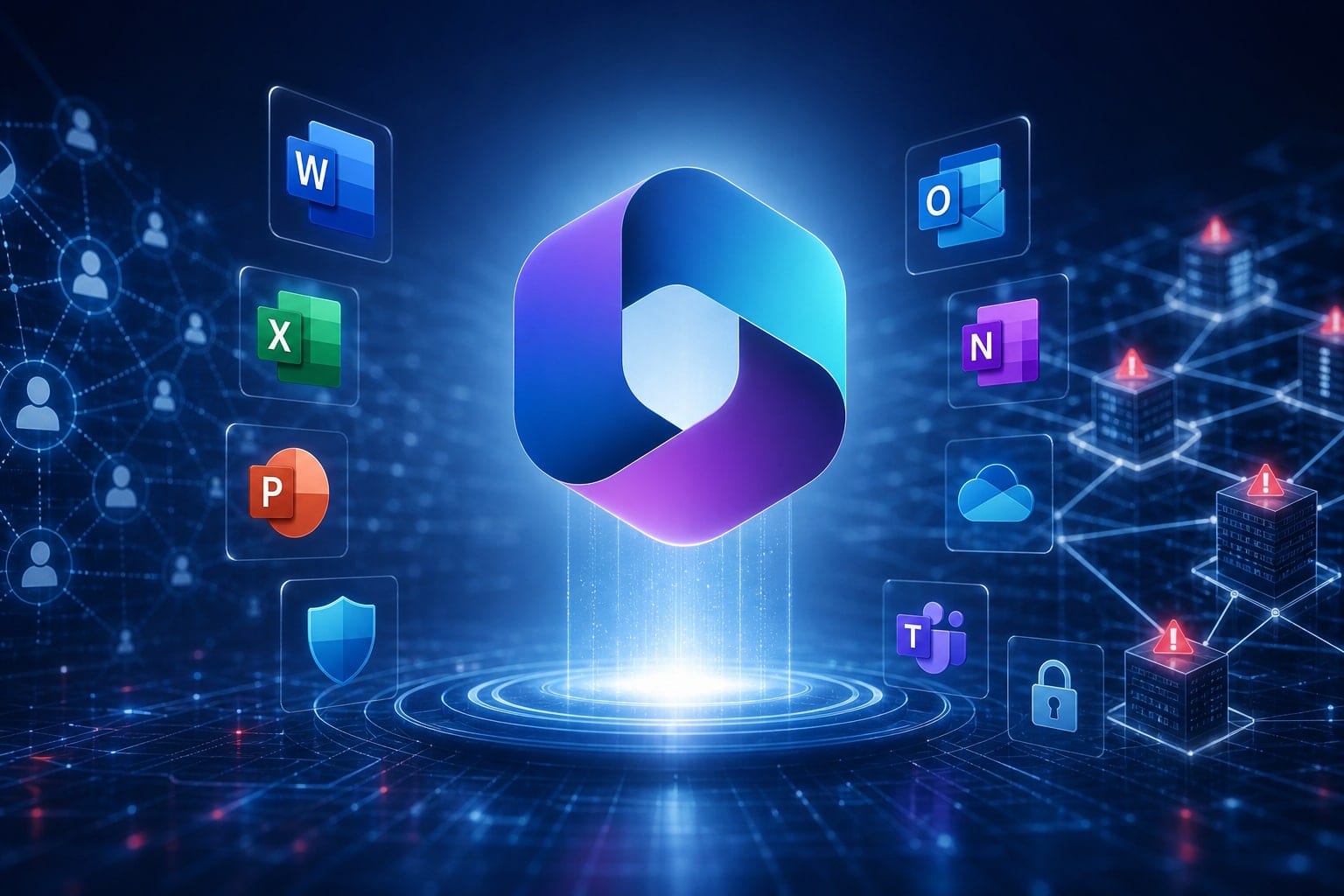
Recent incidents involving token-replay attacks on Microsoft 365 have raised significant concerns among IT security professionals and businesses alike. These attacks have resulted in the compromise of 97 accounts across 79 distinct organisations, highlighting vulnerabilities that can be exploited by cybercriminals.
Token-replay attacks occur when a malicious actor captures authentication tokens intended for legitimate users and then reuses these tokens to gain unauthorized access to systems. This practice not only undermines security but also jeopardizes sensitive data and user privacy. Microsoft 365, a widely adopted cloud-based service, has become a prime target due to its widespread use in enterprise environments.
The ramifications of these breaches are dire, as they enable attackers to bypass standard authentication protocols, potentially leading to a domino effect of security incidents. Individuals with compromised accounts may face issues ranging from unwanted access to confidential information to further phishing attempts. Corporations affected by these breaches may suffer from significant reputational damage, loss of customer trust, and potential legal implications arising from data protection violations.
The Scope of the Breach
The attacks have been identified as part of a larger pattern of compromise affecting a diverse range of sectors. Reports indicate that the breached accounts span technology firms, financial institutions, and non-profit organisations. The diversity of the impacted organisations underscores the universal threat posed by these types of attacks, revealing that no sector is impervious to cyber threats.
Among the organisations attacked, the consequences extended beyond mere data access. In many cases, attackers leveraged the stolen tokens to move laterally within networks, creating further vulnerabilities. This lateral movement allows attackers to establish footholds across multiple systems, complicating remediation efforts once a breach is detected.
Security Implications
The implications of these token-replay incidents compel businesses to reassess their security frameworks. It is critical for organisations utilising cloud services, such as Microsoft 365, to implement robust identity and access management practices. This encompasses the deployment of multi-factor authentication (MFA), continual monitoring of user activity, and adopting context-aware security measures. Enhanced scrutiny over authentication mechanisms can significantly mitigate the risk of token replay vulnerabilities.
Additionally, organisations must ensure that their staff are educated about the risks associated with token misuse. Raising awareness among employees regarding phishing tactics and security best practices is crucial. Cybersecurity training should include guidance on recognising suspicious activities and understanding the importance of safeguarding personal and organisational credentials.
The incidents involving Microsoft 365 serve as a stark reminder of the potential vulnerabilities present in popular cloud services. Proactive measures, combined with an emphasis on a security-first culture, are essential to navigating the complexities of modern cybersecurity. It is imperative for organisations to invest in the necessary tools and training to not only respond to incidents but also to prevent them from occurring in the first place.
Source: thehackernews.com