 By
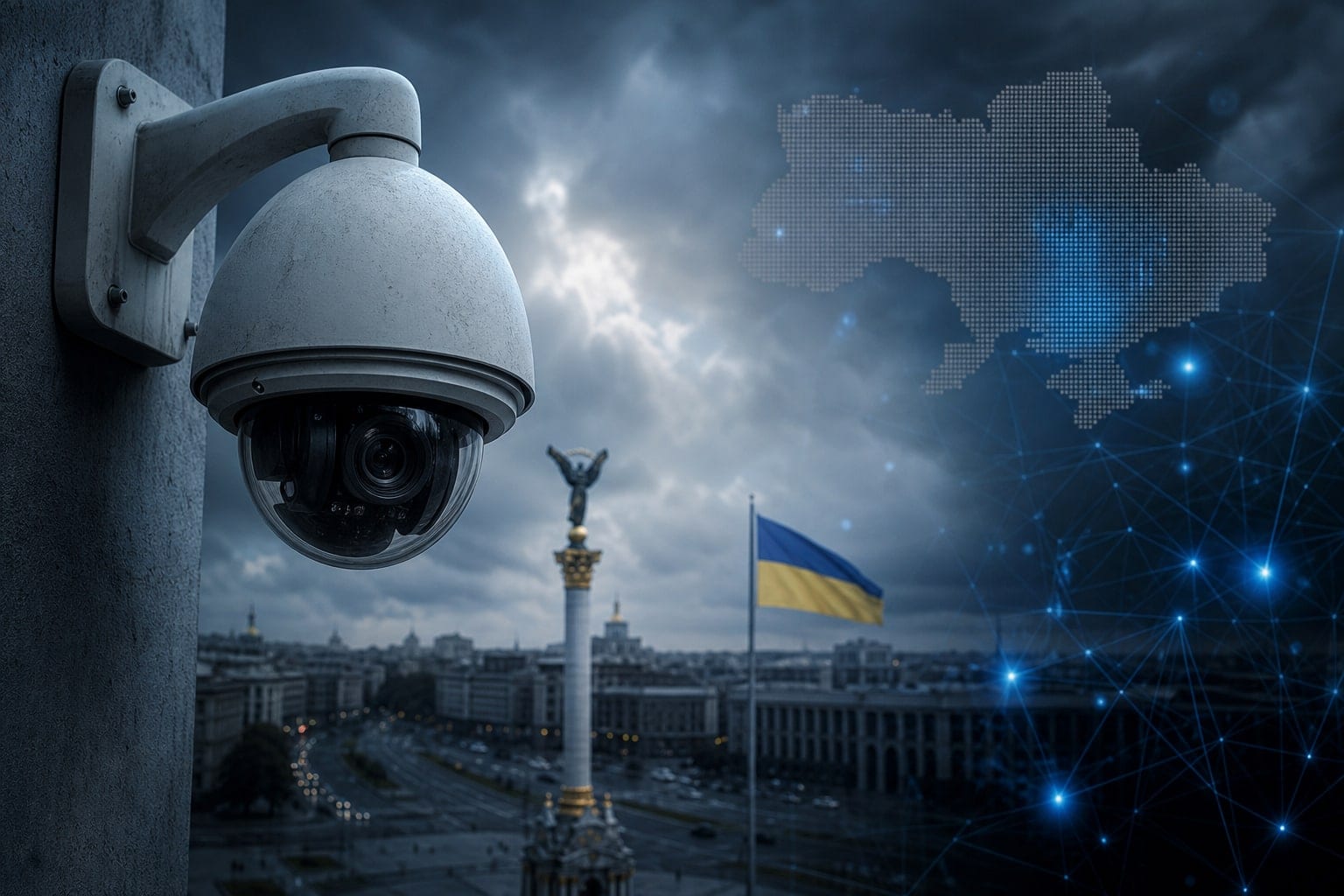
Ukrainian cybersecurity teams are sounding the alarm over a critical issue that affects the security of surveillance cameras throughout the country. Recent findings reveal that hackers are successfully gaining unauthorised access to cameras made by Chinese manufacturer Dahua, enabling potential exposure of private video feeds and remote control of these devices.
The Computer Emergency Response Team of Ukraine (CERT-UA) reported that a number of cases involving these exploited cameras have been identified. This has raised significant concerns, particularly as Dahua cameras are widely used across Ukraine, including in governmental and military installations. Although the agency did not disclose the total number of compromised devices or the attackers' identities, the situation has sparked an urgent discussion about cybersecurity measures in use.
Vulnerabilities Exposed
According to CERT-UA, one of the primary vulnerabilities being exploited is linked to a feature known as Easy4IP. This function permits users to access their Dahua cameras remotely via the manufacturer's cloud service. It creates a connection that seemingly allows devices to remain secure behind their firewalls. However, it has become apparent that this connection can be easily exploited.
The core issue lies in the predictable nature of the serial numbers assigned to these devices. Hackers can guess numerous serial numbers to identify which cameras are connected to the cloud, making those with remote access features particularly susceptible to breaches. Furthermore, once a device is identified, attackers can gain access by exploiting weak or factory default passwords or by taking advantage of outdated firmware vulnerabilities.
CERT-UA highlighted two critical vulnerabilities, CVE-2021-33044 and CVE-2021-33045, which have been known for some time but continue to pose risks to certain Dahua cameras and video recorders. This persistent issue underscores not only the importance of updating device firmware but also the need for stronger default password practices among users.
A separate report from cybersecurity firm Hunt.io indicated that over 14,500 Dahua devices had been compromised during prior incidents earlier this summer, with a marked concentration of these breaches in Ukraine and neighbouring Russia. Audit findings suggest that the methods used in these exploitations resonate closely with those classified by CERT-UA, although there remains insufficient evidence to connect the two scenarios directly.
Ongoing Risks Amid Conflict
This warning from CERT-UA comes against a backdrop of ongoing security concerns within Ukraine, where the threat of surveillance cameras falling into the hands of adversaries remains a pressing danger. Following Russia's invasion in 2022, Ukraine's domestic security agency, the SBU, noted that it had secured thousands of potentially compromised cameras. These devices were suspected of being repurposed by Russian operatives for intelligence gathering against military movements and vital infrastructure.
In a disconcerting report, it was revealed that two cameras in Kyiv had been hacked, allowing adversaries to monitor air defence activity. These cameras, originally installed to observe local streets and parking lots, were reportedly altered by hackers to stream footage to online platforms. The situation illustrates not only a vulnerability in hardware but also raises alarms about the potential reconfiguration of surveillance systems for malicious purposes.
Investigative efforts further indicate that approximately 24,000 Dahua cameras, along with others from the manufacturer Hikvision, have been integrated into municipal surveillance systems across Ukraine. Public records indicate that governmental entities, even as late as 2026, continued to procure Dahua equipment despite ongoing security concerns and evidence of previous exploitation.
The recent disclosures regarding the vulnerabilities affecting Dahua cameras prompt important questions about security protocols within Ukraine’s governmental agencies and military organisations. As the risks of cyberattacks persist, the need for a comprehensive approach to cyber hygiene, including regular software updates and robust security measures, becomes increasingly urgent.
The situation also sheds light on broader issues related to the control and scrutiny of foreign surveillance devices within sensitive contexts. Dahua, as a large player in the global surveillance market, has previously encountered prohibitions based on national security grounds, particularly in the United States. Concerns surrounding the company's equipment stem from its alleged involvement in human rights violations, which have led to significant scrutiny regarding its technology in high-stakes environments such as war.
Source: therecord.media